Body Language and Closeness: The Small Gestures That Communicate the Most


Body Language and Closeness: The Small Gestures That Communicate the Most
We communicate all the time—even when we don’t say a word. A glance, a gentle touch on the arm, or a slight lean toward someone can express more than a long conversation. Body language is a language of its own, shaping how we build trust, connection, and understanding in our relationships. In an age when so much of our communication happens through screens, the small gestures we share in person have become even more meaningful.
When the Body Speaks Before Words
Research shows that a large portion of our communication is nonverbal. Tone of voice, facial expressions, gestures, and posture often reveal our true emotions—even when our words say something else. A smile can calm, a raised eyebrow can create distance, and an open stance can invite closeness.
When we meet someone, we subconsciously pick up on these signals in fractions of a second. That’s why we can instantly sense whether a person feels genuine, nervous, or distant. Body language acts as an emotional radar, helping us navigate social situations long before words take over.
The Delicate Balance of Closeness
Creating closeness isn’t just about physical contact—it’s about tuning in to the other person. A nod, a steady breath, or mirroring someone’s movements can foster a sense of connection. It’s what happens when two people “get in sync,” a subtle rhythm that builds trust and comfort.
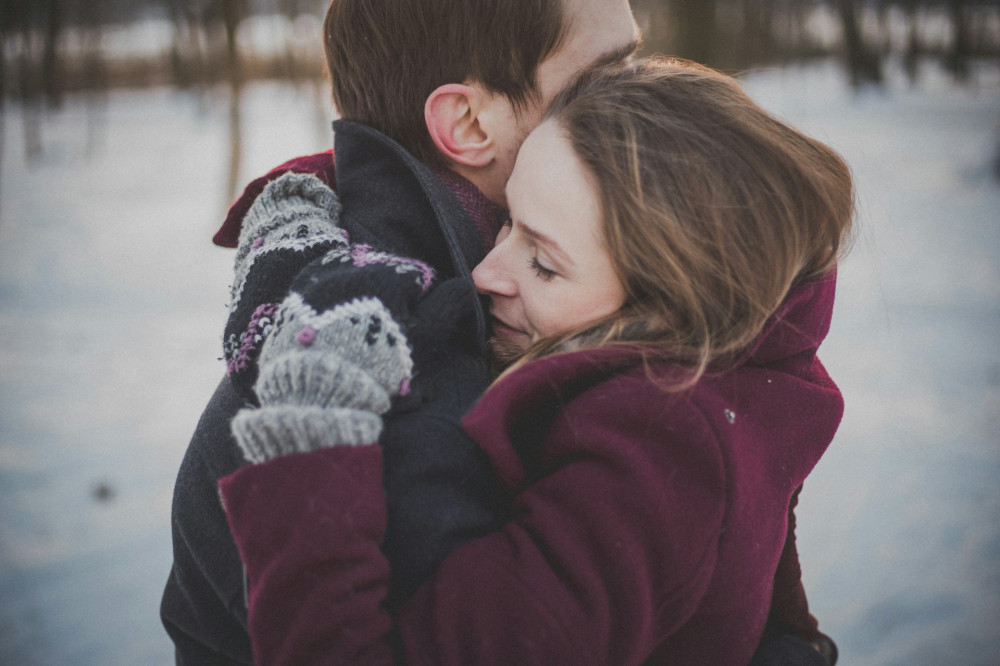
But closeness also requires respect for boundaries. Standing too close can feel intrusive, while too much distance can seem cold. The key is to read the moment and the other person’s cues: Is a hug welcome, or is a warm smile enough? Awareness of these signals makes the difference between comfort and discomfort.
Læs også:


The Power of Touch
Touch is one of the most direct forms of nonverbal communication. A handshake, a pat on the back, or a gentle touch on the shoulder can convey support, care, or affection—depending on the context. Studies show that touch releases oxytocin, a hormone that promotes trust and emotional bonding.
In close relationships, touch can be a way of saying “I’m here for you” without words. But sensitivity matters: what feels natural to one person may feel uncomfortable to another. The best touch is always mutual, respectful, and attuned to the moment.
Body Language in Love and Intimacy
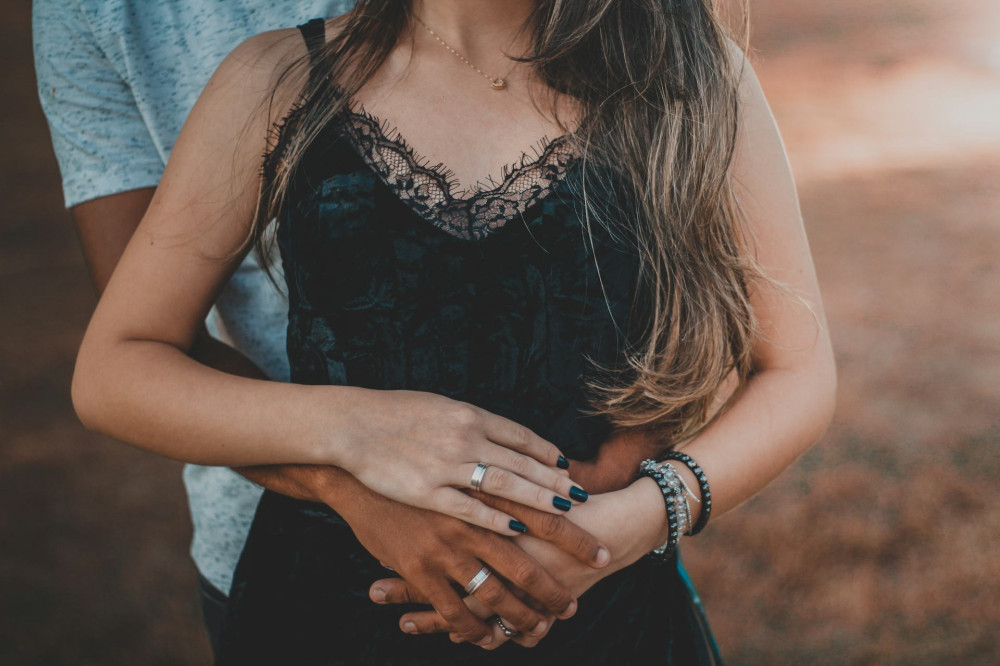
In romantic relationships, body language becomes even more nuanced. A lingering look, a hand reaching for another, or a posture that opens up can be subtle invitations to closeness. It’s often in these small, unspoken gestures that attraction and safety take root.
Being aware of both your own and your partner’s body language can deepen intimacy. It’s not about analyzing every move, but about being present—feeling how your body responds and how the other person reacts. When we allow ourselves to be fully present, communication becomes more authentic and heartfelt.
Learning to Listen with the Body
Understanding body language isn’t just about reading others—it’s also about becoming aware of what you’re communicating yourself. Do you cross your arms when you want to seem open? Do you avoid eye contact when you’re unsure? Small adjustments can shift the entire tone of an interaction.
Try practicing “listening with your body”: notice how you sit, how you breathe, and how you respond to the other person’s movements. The more in tune you are with your own body, the easier it becomes to create genuine connection.
The Small Gestures That Make the Biggest Difference
Body language isn’t a set of tricks to memorize—it’s a way of being attentive to yourself and others. When we allow ourselves to be open, calm, and present, our movements become more natural, and our relationships more real.
The gestures that communicate the most are often the ones we don’t plan: a smile, a glance, a hand that lingers just a moment longer. It’s in these quiet, unspoken moments that closeness truly begins.
Læs også: