Life Transitions: How Change Affects Women’s Health


Life Transitions: How Change Affects Women’s Health
Life is full of transitions — from adolescence to adulthood, from motherhood to menopause, from career building to retirement. For women, these shifts often carry unique physical, emotional, and social dimensions. How do these changes affect the body and mind, and what can women do to maintain balance and well-being through each stage?
The Body in Transition — and Why It Matters
A woman’s body undergoes remarkable biological changes throughout life. Puberty, pregnancy, childbirth, and menopause are all times when hormones play a central role. These hormonal fluctuations can influence everything from mood and energy to sleep, weight, and skin health.
Estrogen, one of the key female hormones, helps protect the heart, bones, and brain. When estrogen levels drop during menopause, the risk of osteoporosis and cardiovascular disease increases. This makes lifestyle choices and preventive care even more important during midlife and beyond.
But the changes are not only physical. Many women notice that their bodies feel different, which can affect self-image and confidence. Understanding and accepting these changes can be an important part of maintaining a healthy relationship with oneself.
Læs også:




Mental Health Through Life’s Shifts
Major life transitions can also challenge emotional well-being. Becoming a mother, watching children leave home, or entering retirement can bring both joy and uncertainty. It’s natural to feel vulnerable when identity and daily routines are in flux.
Research in the U.S. shows that women are more likely than men to experience stress, anxiety, or depression during times of major change. This can be linked to the multiple roles many women juggle — as caregivers, professionals, partners, and community members — often putting their own needs last.
Taking time for rest, reflection, and self-care is not indulgent; it’s essential. Talking with friends, family, or a mental health professional can provide perspective and support during these transitions.
The Role of Hormones — and How to Support the Body
Hormones influence nearly every system in the body, so even small shifts can have noticeable effects. During menopause, many women experience hot flashes, sleep disturbances, and mood swings. For some, these symptoms are mild; for others, they can be disruptive.
There are several ways to support the body during these times:
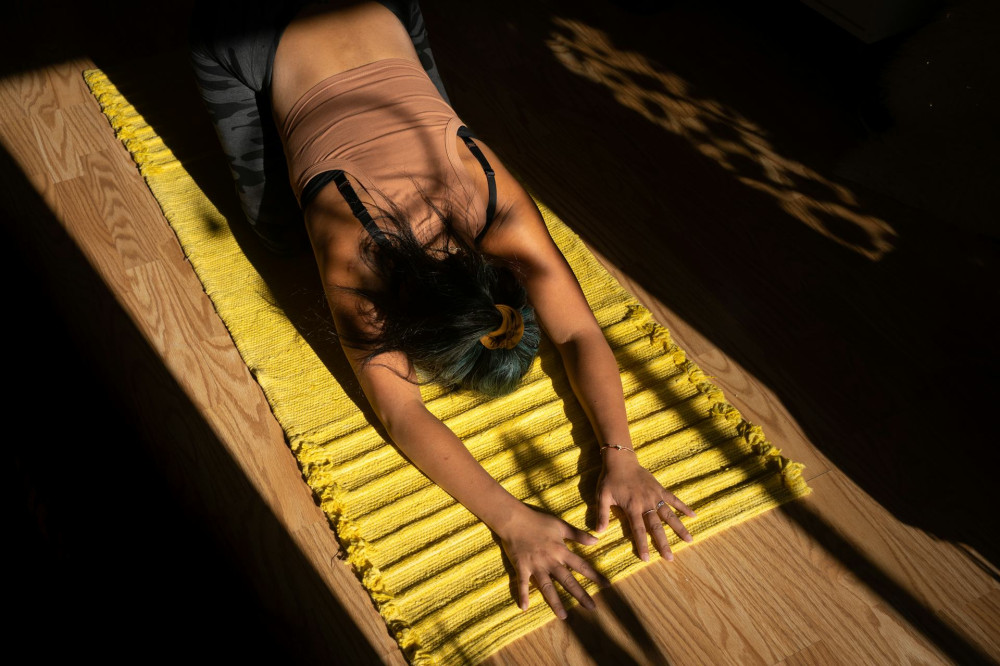
- Movement – Regular physical activity strengthens both body and mind and can ease symptoms like fatigue and anxiety.
- Nutrition – A balanced diet rich in vegetables, whole grains, lean proteins, and healthy fats helps stabilize energy and mood.
- Sleep and recovery – Hormonal changes can disrupt sleep, so creating calming bedtime routines and limiting screen time can help.
- Medical care – Hormone therapy or other treatments may be appropriate for some women, but decisions should always be made in consultation with a healthcare provider.
Listening to your body and seeking help when needed can make a significant difference in quality of life.
Social and Cultural Expectations
Beyond biology, social expectations play a powerful role in women’s health. In American culture, women often feel pressure to “do it all” — to excel at work, nurture families, and stay fit and youthful. When life circumstances change, such as children leaving home or retirement approaching, it can trigger questions about identity and purpose.
Allowing yourself to redefine who you are at each stage of life can be empowering. Many women find that with age comes greater freedom to prioritize their own needs and passions — a shift that can be deeply beneficial for both physical and mental health.
Transitions as Opportunities for Growth
While change can be challenging, it also offers opportunities for growth. Each transition invites reflection on habits, values, and goals. It might be the right time to start a new exercise routine, explore a creative hobby, or simply slow down and focus on well-being.
Seeing life’s transitions as natural and inevitable — rather than as losses — can make it easier to maintain health and happiness. The goal isn’t to resist change, but to meet it with curiosity, compassion, and self-awareness.
A Life in Motion
Women’s health is closely tied to the rhythm of life itself. From the energy of youth to the wisdom of later years, the body and mind are constantly evolving. By understanding and embracing these changes, women can cultivate resilience, balance, and a deeper sense of well-being — no matter where they are on life’s journey.
Læs også: