Natural Materials Explained: How Cotton, Wool, Silk, and Linen Feel and Perform in Clothing

Natural Materials Explained: How Cotton, Wool, Silk, and Linen Feel and Perform in Clothing
When you choose what to wear, it’s not just about color or fit – the fabric itself makes a big difference in how your clothes feel, breathe, and last. Natural fibers like cotton, wool, silk, and linen each have their own unique qualities that affect comfort, performance, and style. Here’s a closer look at how these four classic materials behave – and how to make the most of them in your wardrobe.
Cotton – Soft, Breathable, and Versatile
Cotton is one of the most widely used fabrics in the world, and for good reason. The fibers are soft, durable, and comfortable against the skin. Cotton absorbs moisture well, making it ideal for everyday wear such as T-shirts, jeans, and underwear.
It’s easy to wash and can handle high temperatures, though it tends to wrinkle and can take a while to dry. In hot weather, cotton feels cool and airy, but in humid conditions it can feel heavier because it holds onto moisture. Organic cotton is a good choice if you want to reduce the environmental impact of your clothing.
Best for: Everyday basics, casual wear, and clothes that need frequent washing.
Wool – Warm, Self-Cleaning, and Temperature-Regulating
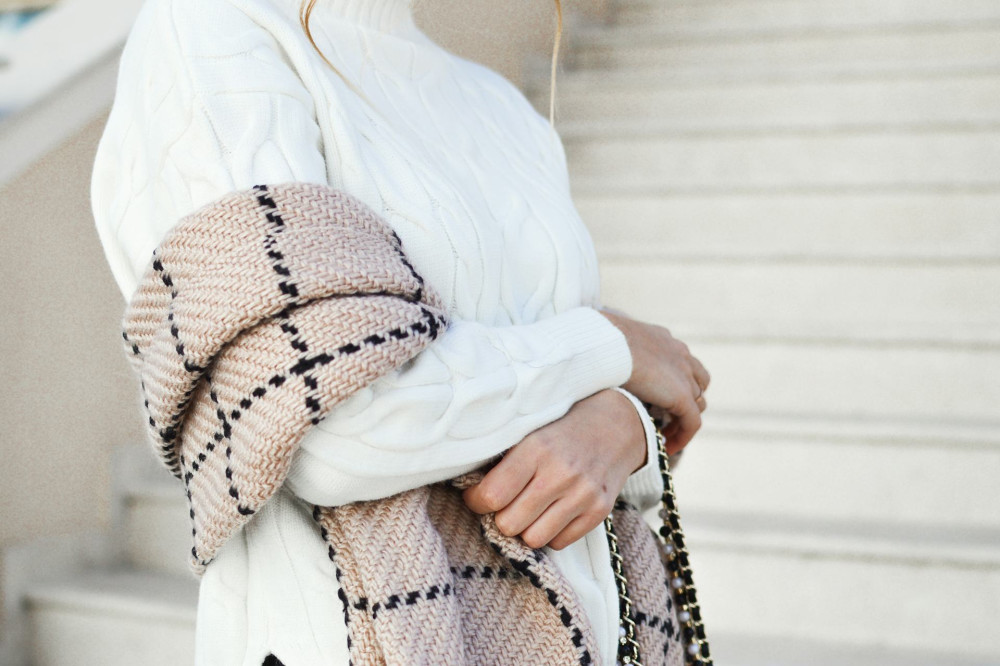
Wool is nature’s own high-performance fiber. Its structure traps tiny pockets of air that insulate against cold while still allowing your skin to breathe. That means wool can keep you warm in winter and comfortable on cool summer evenings.
One of wool’s biggest advantages is its natural ability to resist dirt and odors. The lanolin in the fibers makes it self-cleaning, so you rarely need to wash it – often, airing it out is enough. Some types of wool can feel itchy, but finer varieties like merino and cashmere are soft and pleasant directly on the skin.
Best for: Sweaters, coats, and layering pieces for changing weather.
Silk – Smooth, Elegant, and Temperature-Balancing
Silk is prized for its luxurious sheen and smooth texture. The fibers are extremely fine yet strong, giving silk garments a light, fluid drape. Silk feels cool against the skin in warm weather and gently warm when it’s chilly – making it suitable for year-round wear.
It’s a delicate material that requires gentle care. Most silk items should be hand-washed or dry-cleaned, but with proper care, they can last for years. Silk is often used in blouses, dresses, scarves, and sleepwear, where comfort and elegance go hand in hand.
Best for: Dressy outfits, blouses, and lingerie when you want a refined, elegant look.
Linen – Cool, Textured, and Naturally Relaxed
Linen is one of the oldest textiles in the world and loved for its crisp texture and cooling properties. The fibers are strong and smooth, giving the fabric a slightly stiff feel and a subtle sheen. Linen absorbs moisture quickly and dries fast, making it perfect for hot, humid climates.
It wrinkles easily – but many people see that as part of its charm. Linen softens with wear and can last for many years. It’s also considered an eco-friendly choice, as flax (the plant linen comes from) requires less water and fewer pesticides than cotton.
Best for: Summer dresses, shirts, pants, and home textiles with a natural, laid-back vibe.
Læs også:



How to Choose the Right Material
When picking clothes, think about how the fabric fits your lifestyle and climate:
- For everyday comfort: Cotton and merino wool offer softness and breathability.
- For hot weather: Linen and silk feel light and cool.
- For cold seasons: Wool keeps you warm without feeling stuffy.
- For special occasions: Silk adds elegance and a beautiful drape.
By understanding the differences between natural materials, you can build a wardrobe that feels good, lasts longer, and is more sustainable than one made mostly from synthetics.
Læs også: